
The New Rules of Parenting
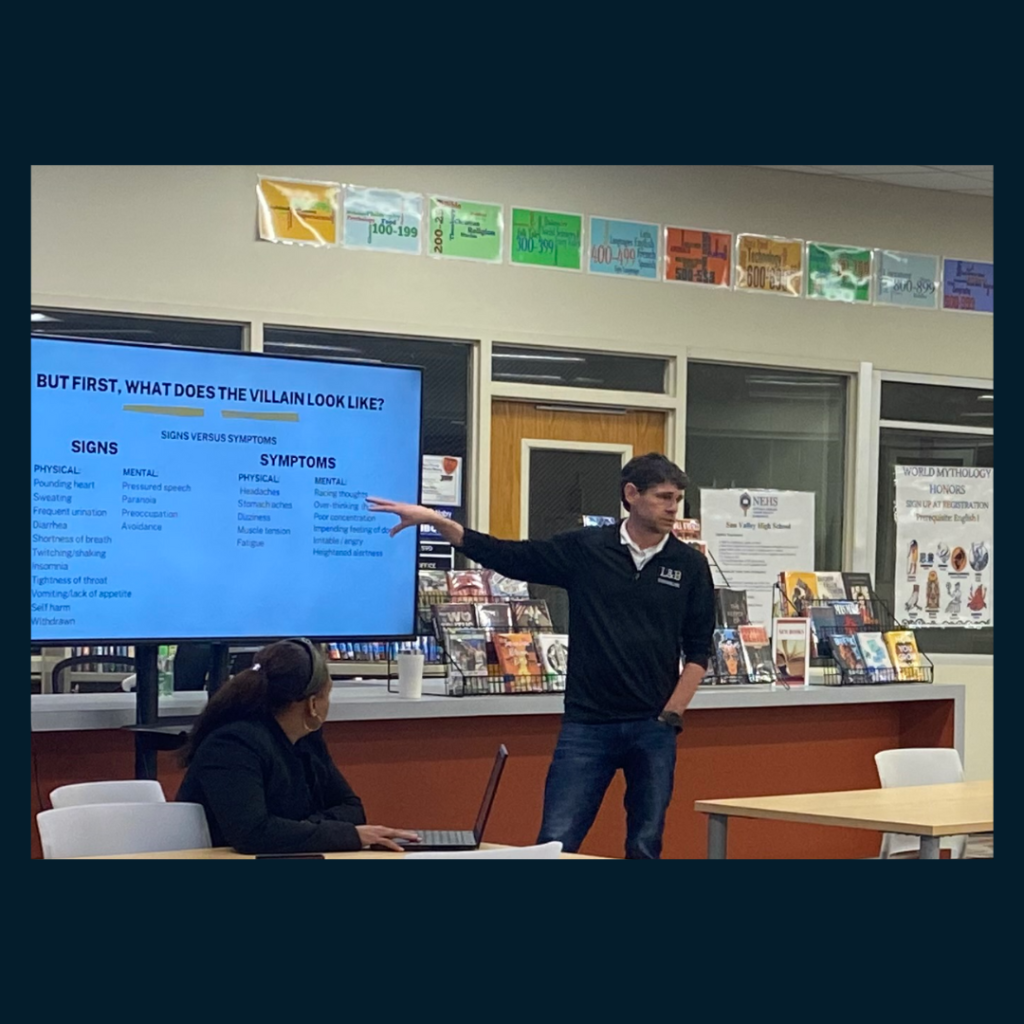
The New Rules of Parenting: Preparing the Next Generation
A presentation for parents on raising kids in a world unlike the one we grew up in
Our kids are growing up with smartphones, social media, AI, and endless entertainment built to capture their attention. The parenting playbook many of us inherited wasn’t written for this world.
In The New Rules of Parenting, Trent Morrow, LCSW, owner of L & B Counseling in Charlotte, NC, helps parents understand the forces shaping today’s children and teens, and gives them practical tools to raise kids who are resilient, independent, and able to think for themselves.
Who This Presentation Is For
- Parents of children, preteens, and teens
- PTAs, PTOs, and school parent groups
- Private and public schools, counselors, and educators
- Churches, community groups, and youth organizations
- Employers offering parenting and wellness programs for staff
The Goal of Parenting
Most parents want their kids to be happy. This presentation reframes happiness as fulfillment and purpose, and it names the other goal that often gets lost: raising kids who can eventually stand on their own.
What Parents Will Learn
Who We’re Raising
Today’s kids span three generations: Gen Z, Generation Alpha, and the newly arriving Generation Beta. Generation Alpha is the first to grow up fully digital. They’re highly monitored, fed hyper-personalized media, and globally aware while often locally sheltered. Understanding their world is the first step to parenting them well.
The Biggest Influences on Kids Today
Technology. How artificial intelligence is changing education and learning, whether social media concerns are moral panic or a real problem, and how the shift from the playground to the screen affects development and activity levels.
Parenting styles. The strengths and blind spots of four common approaches:
- Helicopter parenting: safety and closeness, but less independence, more stress, and fewer natural consequences
- Snowplow parenting: high support, but underdeveloped coping skills and low resilience
- Natural growth parenting: creativity and problem-solving, but sometimes too little direction
- Concerted cultivation: advocacy and enrichment, but overcommitment, overreliance, and a constant busy culture
The reward and effort imbalance. Kids now have easy access to high-dopamine rewards without effort. The result can be more apathy, constant task switching, and less resilience when something is genuinely hard.
The Challenges Families Face
- What is true? Helping kids tell fact from fiction and figure out who to trust when information moves faster than ever
- Prevalence inflation. How social contagion and constant mental health narratives online can lead kids to internalize labels and symptoms
- Fighting for focus. Time online, passive versus engaged scrolling, and a culture where task switching is normal
The Long-Term Impact
Rising school absenteeism, increasing physical and mental health concerns, and young adults who are slower to launch into jobs, relationships, and independence.
Solutions for Parents
The Swiss Army Knife of Parenting. Instead of one style, learn all of them and know when to use each. Parents learn how to ask better questions and how to build trust and repair after conflict.
Critical thinking. Help kids filter information, apply what they learn, manage their learning environment, and build creativity in an AI-driven world.
The fundamentals:
- The Healthy Human Recipe: balancing sleep, movement, nutrition, relationships, stress management, and mindset [link to Healthy Human Recipe page if available]
- Growth mindset: lower the bar, raise the floor, expect setbacks, and play the long game
- Gratitude practice: reflecting on success, expressing gratitude to others, and reframing stress as change
Practical Tools Families Can Use Right Away
- The Emotional Temperature Gauge: as emotions rise, our ability to think clearly drops. Parents learn to recognize the gauge in themselves and their kids.
- Internal tools: mindfulness, breathwork, time outside, and spirituality
- External tools: asking for help, humor, and helping someone else
Key Takeaways
- The environment kids grow up in often has a bigger impact than any single parenting decision
- No single parenting style works for every situation. Flexibility is the skill.
- Effort matters. Kids need chances to struggle, fail, and recover.
- Critical thinking is one of the most important skills to build in the age of AI
- Strong fundamentals like sleep, movement, relationships, and mindset protect kids’ mental health
About the Presenter
Trent Morrow, LCSW, is the owner of L & B Counseling PLLC in Ballantyne, Charlotte, NC. He speaks to schools, parent groups, and organizations on children and technology, academic pressure, and youth mental health. His presentations combine clinical experience with practical, real-world tools parents can use at home. [Add years of experience, notable audiences, or schools you’ve presented at.]
Presentation Details
- Length: [60 minutes, including Q&A]
- Format: In-person in the Charlotte area or virtual
- Audience size: [Any size]
- Customizable for elementary, middle school, or high school parent audiences