
ADHD Therapy for Children and Teens
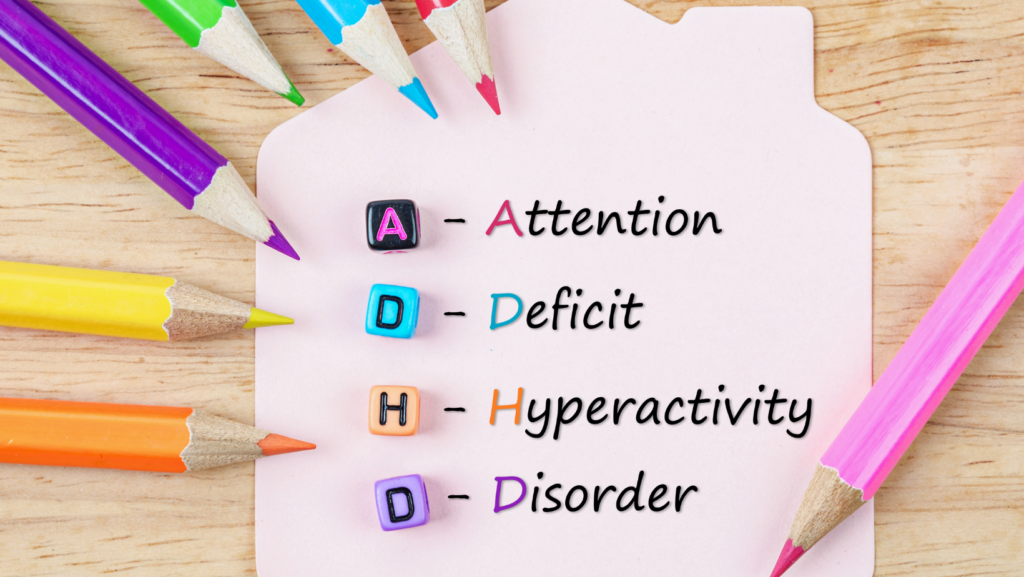
ADHD Therapy for Children and Teens in Charlotte, NC
Homework battles that last all night. Notes from teachers about focus or behavior. A bright kid who forgets assignments, loses things, and gets frustrated when they can’t do what’s expected of them.
ADHD can make everyday tasks feel overwhelming for kids and for the families supporting them. At L & B Counseling, we help children and teens build practical skills for focus, organization, and impulse control, and we give parents strategies that actually work at home.
ADHD Treatment Is More Than Medication
Medication can be helpful for many children, but it’s only one part of treatment. Behavioral therapy, coping skills, social skills, regular exercise and play, and consistent routines all help children with ADHD succeed, with or without medication. A balanced treatment plan can improve school performance, strengthen relationships, and reduce stress and frustration for the whole family.
Signs of ADHD in Children and Teens
- Trouble paying attention in class or finishing schoolwork
- Forgetting assignments, materials, or instructions
- Difficulty starting tasks or getting overwhelmed by multi-step tasks
- Losing things frequently
- Interrupting, blurting out answers, or acting before thinking
- Restlessness, fidgeting, or trouble staying seated
- Big emotional reactions and frustration over small setbacks
- Struggling with friendships or reading social cues
- Grades that don’t match their ability
Some children, especially girls and high-achieving students, show ADHD mainly through inattention, daydreaming, or anxiety rather than hyperactivity, so it can go unnoticed for years.
ADHD Can Look Different in Different Kids
ADHD does not always look like constant movement or disruptive behavior. Some children and teens struggle more with executive functioning — the mental skills needed to start tasks, plan ahead, organize materials, manage time, remember instructions, and follow through.
You may notice:
- Procrastination even when they care about the assignment
- Knowing what to do but feeling unable to get started
- Becoming overwhelmed by large or multi-step assignments
- Forgetting homework that was completed
- Underestimating how long tasks will take
- Difficulty shifting from one activity to another
- Meltdowns or shutdowns when demands pile up
- Avoiding schoolwork because it feels overwhelming
This can be especially confusing for parents when a bright, capable student seems able to succeed sometimes but struggles significantly at other times.
What Therapy for ADHD Looks Like
Behavioral therapy helps children and teens learn skills to manage their symptoms and replace behaviors that cause difficulty with more effective ones.
Families work with a therapist to set goals and create a plan for rewarding positive behaviors and managing challenging ones. Your child or teen will learn new ways to handle tasks that feel hard, such as:
- Completing homework
- Paying attention in class
- Keeping their room organized
- Finishing daily chores
- Managing time and planning ahead
- Handling frustration and big emotions
How Parents Are Involved
Parents are an important part of effective ADHD treatment, especially with younger children and teens.
Your therapist may help you understand why traditional approaches — repeated reminders, lectures, punishment, or simply telling a child to “try harder” — often do not solve executive-function problems.
Parents can learn practical strategies for:
- Homework routines
- Morning and bedtime routines
- Organization
- Positive reinforcement
- Setting realistic expectations
- Reducing power struggles
- Helping children recover from mistakes
- Building independence as children get older
The goal is not for parents to manage everything for their child. It is to gradually help children and teens develop the skills they need to manage more independently.
ADHD, Anxiety, and Academic Pressure
ADHD and anxiety frequently overlap. A child who repeatedly forgets assignments, falls behind, or struggles to manage time may begin worrying about school, disappointing teachers, or letting parents down.
Over time, this can lead to:
- School anxiety
- Procrastination and avoidance
- Perfectionism
- Low self-confidence
- Test anxiety
- Emotional outbursts
- Difficulty sleeping
- Burnout and exhaustion
Some students respond by working much harder than their peers to stay organized. Others begin avoiding assignments because the work feels overwhelming.
At L & B Counseling, we look at the whole picture — attention, executive functioning, emotions, anxiety, school pressure, and family stress — rather than treating ADHD as only a focus problem.
ADHD and Big Emotions
ADHD can affect more than attention. Many children and teens also struggle with emotional regulation.
A small disappointment may lead to a very big reaction. Homework frustration can quickly become yelling, tears, shutting down, or giving up. Some children become discouraged because they feel like they are constantly being corrected.
Therapy can help children and teens:
- Recognize emotions before they become overwhelming
- Slow down impulsive reactions
- Build frustration tolerance
- Recover more quickly from setbacks
- Develop healthier ways to communicate what they need
- Build confidence instead of seeing themselves as “lazy,” “bad,” or incapable
When Should We Consider Therapy for ADHD?
You may want to consider therapy when ADHD is beginning to interfere with your child’s:
- School performance
- Homework
- Friendships
- Confidence
- Family relationships
- Emotional well-being
- Sleep
- Ability to manage everyday responsibilities
You do not need to wait until grades fall or family conflict becomes severe.
Early support can help children understand how their brain works, build useful skills, and prevent years of feeling like they are simply “not trying hard enough.”
Why Choose L & B Counseling for ADHD Therapy?
- Clinicians experienced in ADHD, anxiety, behavioral concerns, school stress, and emotional regulation
- Therapy for children and teens ages [use your actual current age range]
- Parent consultation and practical strategies for home
- Understanding of academic pressure and expectations in Charlotte-area schools
- Experience helping students with ADHD and anxiety together
- In-person counseling at our Ballantyne office
- Virtual therapy available throughout North Carolina when clinically appropriate
- BCBS and Aetna accepted by many clinicians
- Healthy Blue accepted by select clinicians
- New-client inquiries typically answered within one business day
Help Your Child Feel More Capable, Not More Criticized
ADHD can make children feel like they are constantly being told to focus, try harder, remember, hurry up, or calm down.
Therapy can help your child better understand how their brain works, develop practical strategies, manage difficult emotions, and build confidence in their ability to handle school and everyday life.
L & B Counseling provides ADHD therapy for children and teens in Charlotte and Ballantyne, with virtual counseling available throughout North Carolina.
Other Resources:
This is a great one minute video that explains an ADHD brain:
https://www.webmd.com/add-adhd/video/brain-adhd
Frequently Asked Questions About ADHD Therapy
Does my child need an ADHD diagnosis before starting therapy?
No. Families often seek therapy because they are noticing problems with attention, organization, impulsivity, school performance, or emotional regulation. A therapist can help you better understand what is happening and discuss whether additional evaluation may be useful.
Can therapy help ADHD without medication?
Therapy can help children and teens develop behavioral, organizational, emotional-regulation, and coping skills whether or not medication is part of their treatment. Some families use therapy alone, while others combine therapy with medication.
Can ADHD cause anxiety?
ADHD and anxiety commonly occur together. Repeated struggles with school, organization, deadlines, friendships, or expectations can also contribute to anxiety over time.
Why does my child procrastinate even when they know the work is important?
Difficulty starting tasks is a common executive-function challenge associated with ADHD. What looks like laziness or lack of motivation may actually be difficulty organizing, prioritizing, or figuring out where to begin.
Do you work with teenagers who have ADHD and school stress?
Yes. Our clinicians work with teens dealing with ADHD, anxiety, academic pressure, procrastination, organization problems, emotional regulation, and related stress.
Do parents participate in ADHD therapy?
Parent involvement depends on the child’s age and needs. For many children and teens, parent consultation is an important part of treatment.
Do you accept insurance for ADHD therapy?
Many L & B Counseling clinicians accept BCBS and Aetna, and some clinicians may accept Healthy Blue. Coverage varies by plan and provider, so our team can help identify an appropriate therapist.